
Theory of Change


We are working so that everyone and every community has the right and the means to produce, procure, prepare, and eat nutritionally and culturally appropriate food free from exploitation of themselves, any other people, or the rest of the natural world.
To achieve this, our theory of change consists of five strategic assumptions:
1. Profit
The root causes of our destructive food system are tied to mythologies that value profit over people and the planet.
Solving it means confronting the inequities, injustices, and disconnects this exploitative framework creates.We are moving away from a system that prioritizes money over people and nature, that extracts human labor and natural resources, and that concentrates decision-making power in the hands of a few. We are building toward a food system grounded in community stewardship, where people control their own labor, where culture is reclaimed, where life itself — human and otherwise — is our most valued resource, and where power and resources are shared by all.

2. Feasibility
The transition that we really need is not currently politically feasible: we need to change conditions and structures.
Our task is to make real solutions more politically feasible, and to expose false solutions to make them less viable.
3. Cross Sector
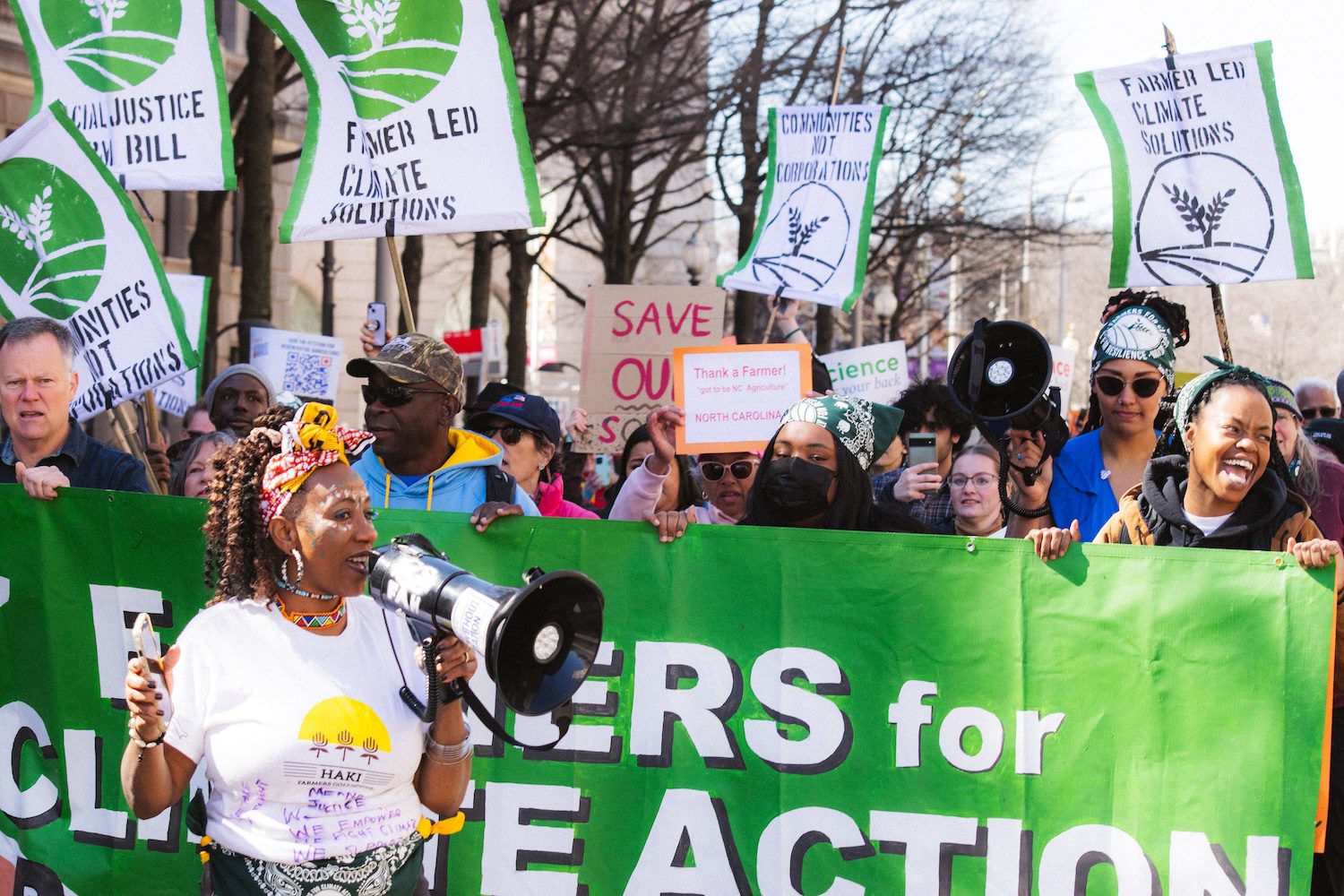
No single organization, alliance, or sector can transform the system working alone or in isolation.
We need our diverse skills, resources, and bases. A cross-sector Platform for Real Food can help coalesce our identity and enable us to make real change.
4. Communities
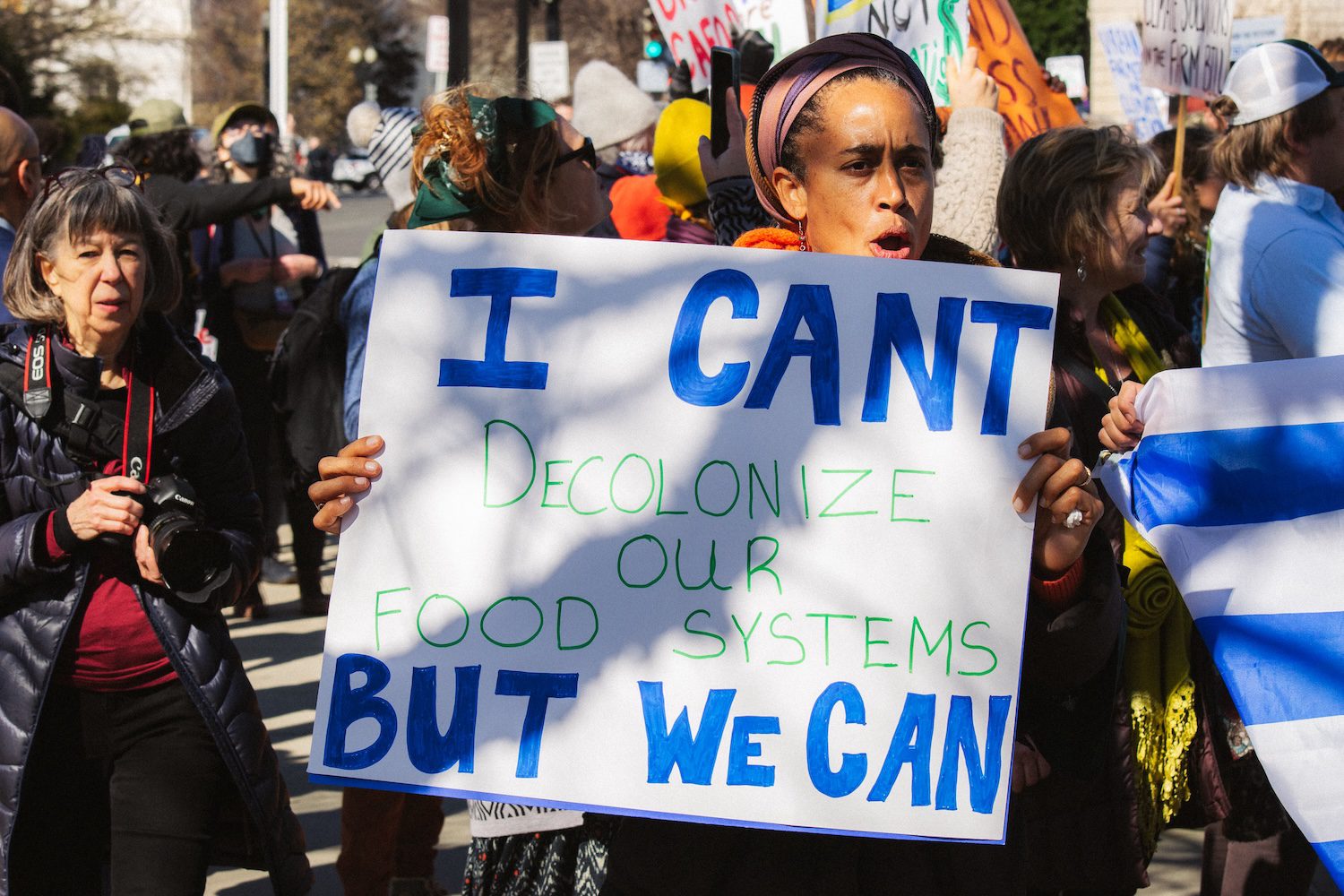
Frontline and burdened communities have solutions for the system, and must lead their own communities and all forces through transition.
By adopting solutions that work for those most burdened, we enable a transition for all participants in the system.

5. Arenas
To make the change we need, we need to work in and influence multiple arenas.
We will work to support practical community/regional work, to influence political candidates, and to transform corporate structures.
