
2023 School of Political Leadership
About SoPL
Now in its fifth year, HEAL’s School of Political Leadership (SoPL) supports teams of talented, passionate, food and farm justice leaders who are advocating for policies and solutions that will reimagine how our food and farm systems work for our communities. The six month program will equip a cohort of 4 teams composed of 12 leaders from Colorado, Georgia, Idaho, Louisiana, with the tools, knowledge, and skills they need to lead campaigns and drive political change.
Our Cohort
The 2023 HEAL SoPL leaders are community activists, organizers, farmers, farmworkers, land stewards, policymakers, non profit leaders, and storytellers. Our dynamic cohort was selected for their commitment to racial, economic, and environmental justice and their campaign ideas, which center the knowledge, wisdom, and leadership of Black, Indigenous, and People of Color (BIPOC) who have been on the frontlines of the fight for food sovereignty, racial justice, climate justice, food security, worker justice, land justice, and environmental justice for decades. Through SoPL, these visionary leaders will gain the tools, skills and knowledge to grow grassroots political leadership in their communities while addressing urgent and systemic flaws in our current food and agricultural system.
A Greener New Orleans
Through SoPL, the SPROUT NOLA team will work to move forward their current campaign, “A Greener New Orleans.” The campaign centers farmers and growers, and aims to redefine the city’s definition of “blight,” make water and land accessible to farmers and growers, and to create the infrastructure for an Urban Agriculture liaison for the city of New Orleans. The team will also work to grow their collective base building and organizing skills to make sure that the widest possible community of growers are involved in this campaign. This campaign is about making concrete changes to the landscape of New Orleans food and farm policy, but it is also a huge opportunity to build the collective power and organizing capacity of the community.
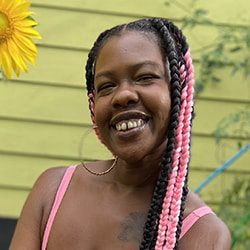


Idaho Justice for Farmworkers
Through SoPL, the Idaho Justice for Farmworkers team will strengthen their current campaign to protect Idaho’s farm worker community from heat stress, smoke, and pesticide usage. The campaign’s goal is to humanize farmworkers and to include their voices in the fight for climate justice using storytelling and advocacy. The team will also develop a framework to bridge the advocacy and healthcare communities to provide training and medical and mental healthcare to farmworkers.
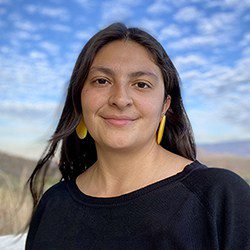
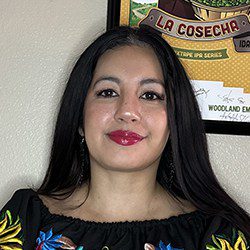
Nourish Colorado
Building off of their current organizing work, Nourish Colorado will create a campaign to strengthen connections with and between farms, ranches, and communities so that all Coloradans have equitable access to fresh, nutritious foods. Through SoPL the team will also create deep connections within their team and community to organize and advocate for community-led and informed policy change for the 2023 Farm Bill.

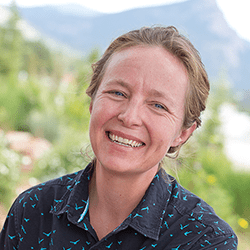

Southern Roots
Through SoPL, the Southern Roots team will develop an advocacy campaign to demand policymakers and local leaders work with community members and other stakeholders to increase access to nutrient-dense foods, food access and ensure that residents are familiar with the benefits of SNAP, TANF, and WIC. According to Feeding America, the Food Insecurity Rate in Georgia decreased from 14.4% in 2017, to 10.9% in 2020. While this is good news, it does not mean that the issue of food insecurity has been solved. Within these numbers hides a gap of coverage where 51% of people considered to be food insecure are above the SNAP threshold of 130% poverty. Over 388,000 Georgians are food insecure, yet are above the threshold of 185% poverty to receive other nutrition assistance programs. During SoPL, the Southern Roots team will create strategies to address the lack of resources and hold policymakers accountable. Community conversations which elevate the voices of those the team serves will be paramount where there will be dialog surrounding the inequitable distribution of resources for local food systems in the state.



Subscribe to Updates

Give Today
Your tax-deductible donation will support diverse leaders from across the country who are committed to developing solutions to reimagine our food and farm systems. Donate now to support the HEAL School of Political Leadership
Donate Today