How We Work


We organize our work to build the connective power, political alignment, and shared resources that let our 55+ member organizations achieve more collectively than any one of us can alone. Our core methods are:
Connecting and Uniting Groups
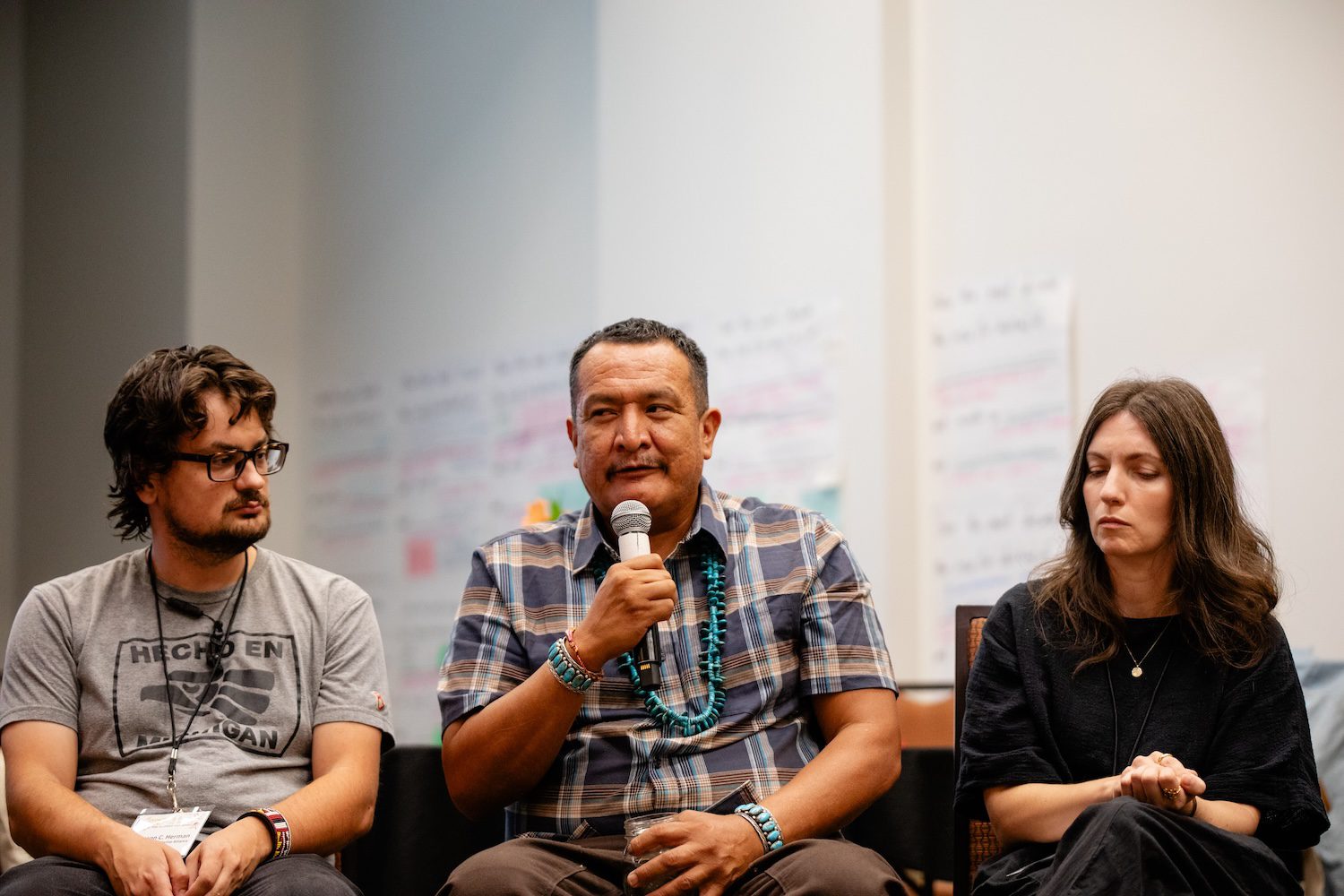
We bring together farmers, food and farm workers, Indigenous communities, legal experts, scientists, media makers, and community organizers because food and farm justice can’t be won in silos. Through convenings, our annual Member Summit, and ongoing relationship-building, we grow an alliance that is greater than the sum of its parts.
Our members span urban and rural communities, place-based and national coalitions, base-building and policy organizations. Together we develop shared strategy, deepen trust, and take coordinated action at moments that matter. Through our annual Member Summit, quarterly member calls, working groups, and regional meet-ups, HEAL serves as a political home for organizations who know the work is bigger than any one of them.

Nurturing Existing and Emerging Campaigns
HEAL members are advancing transformative campaigns in their communities every day. We provide the backbone support, cross-coalition connections, and collective amplification that allow those campaigns to go further and win more. We support members through direct assistance, connecting coalitions across geographies, and building national campaigns where collective action creates more leverage than local efforts alone.
Our Good Food Communities work is one example: we support local, state, and national coalitions advancing procurement policies that integrate regenerative agriculture, worker protections, BIPOC producers, and community control. Through the Federal Good Food Purchasing Coalition—now 60 organizations strong—we connect local efforts to national momentum and fight for standards that transform how public institutions spend their food dollars.
The Farm Bill is another sustained front. We organize BIPOC-led and grassroots organizations to fight for a Farm Bill that expands access to land, credit, and conservation resources for BIPOC producers; strengthens protections for food and farm workers; invests in local and regional food systems over corporations; and advances real climate solutions. Despite an uncertain political environment, we keep building the coalition and the pressure needed to win.
We also support our members directly in campaign planning, coalition-building, and securing the wins that matter most to their communities

Deepening Political Education and Analysis
Political education is core to how we build power. We cultivate a shared understanding of the policy landscape, develop the analytical skills our members need to navigate it, and train up leaders who can drive change from within communities and within systems.
Our policy work is organized around four priorities that our members have defined together: increasing protections for food and farm workers; mitigating climate change and building community resilience; expanding pathways for BIPOC producers to successfully steward land; and building momentum to break up corporate consolidation in our food system. We host town halls and convenings and publish reports and policy briefs to ensure our members have the political analysis they need to respond to rapidly shifting conditions. Everything we do—from Congressional meetings to rapid response to SoPL—is in service of moving these priorities forward.
The HEAL School of Political Leadership (SoPL) is our flagship leadership development program. Launched in 2017, SoPL is a six-month hybrid program that equips food and farm justice leaders with skills in power-mapping, campaign strategy, and policy advocacy. To date, we’ve trained 71 leaders across six cohorts, with place-based teams in California, Colorado, Mississippi, New York, and beyond.

Organizing Resources for a BIPOC-Led Grassroots Movement
BIPOC-led grassroots organizations are the heart of the food and farm justice movement and they are chronically under-resourced. HEAL organizes to change that, both by redistributing philanthropic resources to our members and by pushing funders and policymakers to prioritize BIPOC leadership.
Our Rapid Response Fund provides flexible, timely support to member organizations facing urgent needs because organizing doesn’t pause for grant cycles. We also provide grants to support School of Political Leadership teams in launching their campaigns, and we actively work to influence how philanthropic institutions make decisions about where resources flow. We believe that shifting resources toward BIPOC-led frontline efforts is a strategic necessity for the movement we’re building and which is why we’re involved in Liberating Investment in the Food and Farm Ecosystem (LIFE).

Advancing a Shared Narrative
The stories we tell about food, work, and land shape what people believe is possible and what they’ll work towards. HEAL’s narrative work lifts up the voices, solutions, and vision of our members, challenges the false narratives that prop up an unjust system, and builds the public will for transformative change.
We develop shared messaging, produce research and reports that challenge corporate power and false solutions, and equip our members with the communications tools they need to speak with clarity and confidence. We also engage media directly, driving coverage of the issues that matter most to our communities and ensuring that the people most impacted are centered in the stories being told.
Our work on Good Food Communities, farmworker heat protections, and fair lending for BIPOC farmers reflects how narrative and policy work reinforce each other: the stories we tell change what’s politically possible, and the policies we win give us new stories to tell.