
Farm Bill Glossary
Further information about organizations and terms
The HEAL Food Alliance is calling on the 118th Congress to craft Farm Bill legislation that supports thriving futures for all people and our planet. We strongly feel that Congress should address our policy recommendations (endorsed by over 150 diverse organizations) in the next Farm Bill.
The farm bill is some of the most powerful federal legislation shaping the United States’ food and farm system. It impacts all of us living here, as well as communities around the world.
In a nutshell, the Farm Bill is a collection of food and agriculture laws, programs, and funding that congress passes every 5 to 7 years. It determines what food farmers grow, what consumers eat, and how we access food. Because of the central role food plays in our economy and our daily lives, the farm bill impacts our health, our jobs, our environment, and for many, even where we live.
A lot of people assume that our food and farm system operates in an open market, where farmers grow what consumers want to eat, and consumers pay for that food. In reality, the farm bill is what really pays for large portions of what we eat and how that food is grown, harvested, processed, and transported. The farm bill is funded by the federal government – aka us taxpayers. Its our bill. (The most recent farm bill cost about $428 billion).
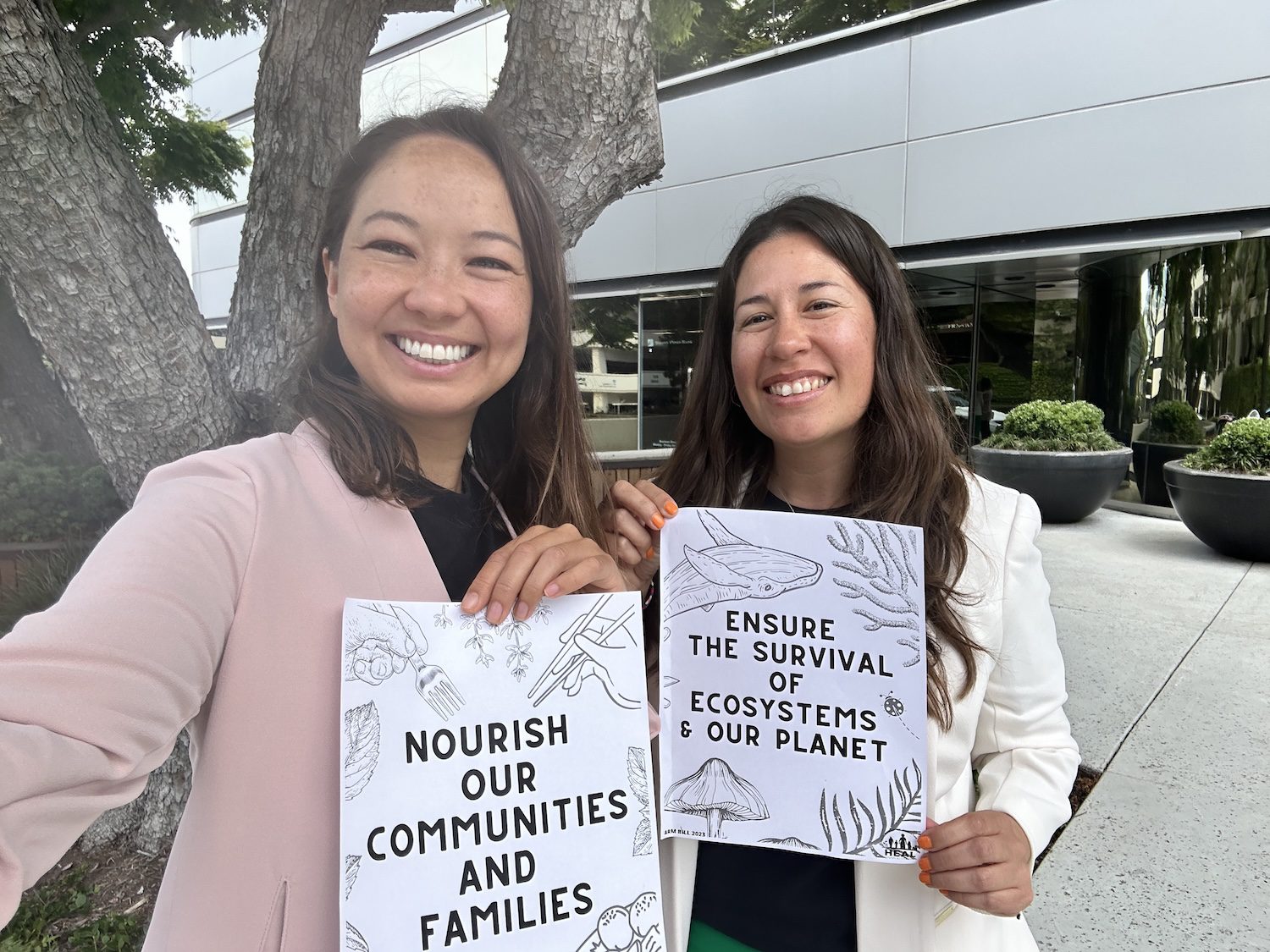
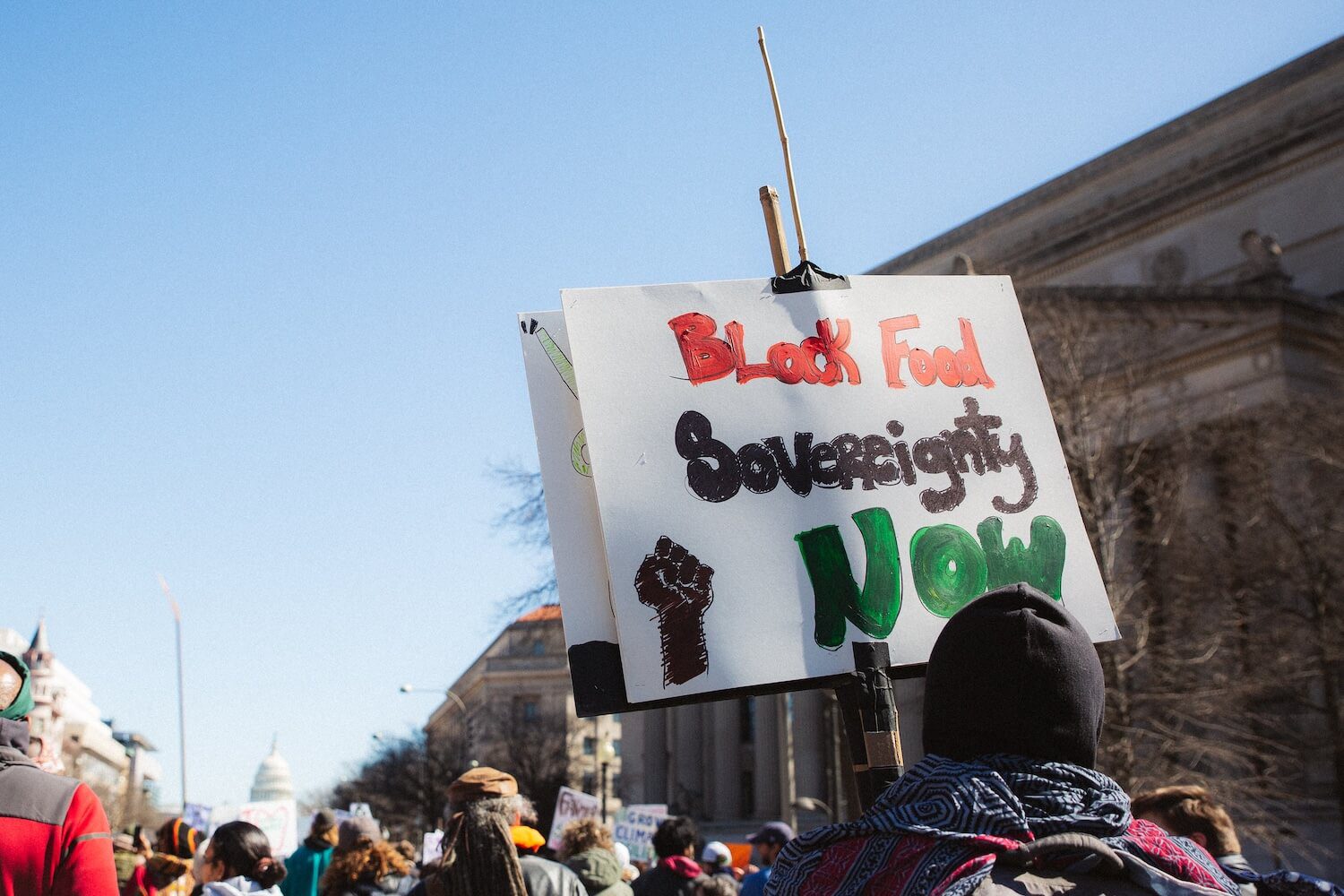
Many of the programs we pay for in the farm bill help the public. For example, the Supplemental Nutrition Assistance Program (SNAP), helps working families get the food they need. However, big portions of farm bill money go to a handful of large farming corporations, known as “agribusiness” or “industrial agriculture.”
When the government helps pay for something, it is called a “subsidy” or “subsidizing.” While subsidies can be helpful to working people and their families, subsidies to corporations can be harmful to those same families.
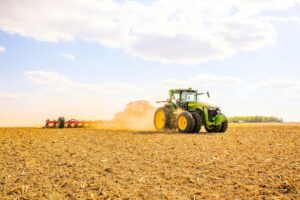
For decades, the majority of the large farming corporations that the government subsidizes have damaged the soil, water, and air that we depend on to live.
They drive small farmers out of business, worsen our health, and keep food prices high. They also provide dangerous working conditions and pay very low wages to working people.
As a result, many people in our society, especially Black, Indigenous, and people of color (BIPOC), rural communities, and working families suffer first and worst from damage inflicted by these few, greedy corporations.
Historically, other programs in the farm bill have also benefited large-scale white farmers, while harming Black, Indigenous, and other farmers of color. Because of the reach of the farm bill, this has had severe consequences, including many Black and Indigenous farmers losing their land.
Subsidizing agribusiness has also caused these big corporations to become bigger and bigger. The big corporations use their political and economic power to manipulate and control our food system.
Today, very few powerful corporations control our food system. Fortunately, many people are working hard to ensure the farm bill benefits Black, Indigenous, and People of Color, working people, and our communities — not just a few big corporations.

Require food and farm jobs to be safer and fairer for working people
Provide more opportunities for Black, Indigenous, and farmers of color
Invest in communities, not corporations
Ensure everyone has access to good quality food they can afford
Produce food in a way that is good for the environment
The next farm bill will pass in 2026, but discussions about what it should include have already begun. Traditionally the farm bill has been shaped by powerful players, primarily big farming corporations.
A farm bill shaped by big corporations leads to a farm bill that benefits big corporations. For this next farm bill—HEAL, along with our partners—wants to lift up the needs and voices of our communities.
To do so, we need to grow a movement of everyday people–including farmers, food and farm workers, teachers, healthcare workers, and consumers—to share our opinions and stories.
If you are interested in demanding a farm bill that puts people over corporations, we invite you to join us. No experience necessary!
If you’d like to get involved, email HEAL’s National Organizer Maleeka Manurasada at Maleeka [at] healfoodalliance [dot] org

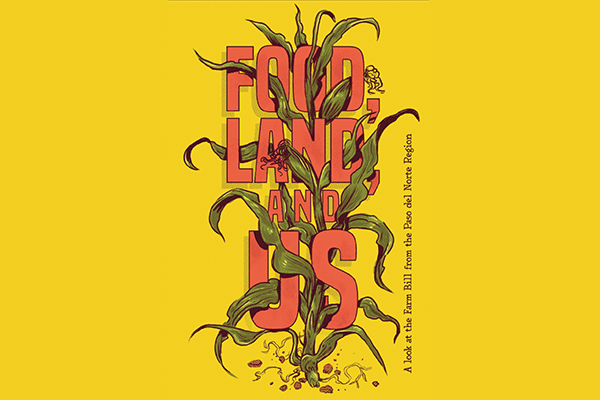
For a beautiful visual explainer of the Farm Bill, check out La Semilla’s free zine on the Farm Bill, offered in both English and Spanish.
April 30, 2026
As House Advances Farm Bill, HEAL Food Alliance Calls Out Legislation for P...

February 17, 2026
House Farm Bill Falls Flat as it Champions Big Tech at the Expense of Farme...
October 25, 2023
Bills, Bills, Bills: Nine pieces of legislation that could push the Farm Bi...
Learn about the history and evolution of the Farm Bill, which governs federal agriculture, food, and nutrition programs.
The 21.5 million people who work in our food system are integral to every aspect of food and farm policy. However, they are currently excluded from farm bill provisions and programs.
Black, Indigenous, and People of Color (BIPOC) have often faced enormous barriers in accessing US Department of Agriculture (USDA) programs and services, due to racism.
Over the years, the farm bill has enabled a handful of large corporations to gain more and more control over our food and farming system.
The US produces more than enough food to feed everyone. However, our food system (and our economy overall) is set up in a way that leads to inequality and food insecurity.
Industrial agriculture is a major contributor to environmental destruction and climate crisis. Globally, agriculture contributes nearly a third of all greenhouse gas emissions through forest clearance and land conversion, transportation, animal feedlots, fertilizer use, and other processes.
A glossary of acronyms, programs, and departments referenced in the Farm Bill.
Be part of the movement transforming food and farm policy.


